

Eric Rahne, okl. villamosmérnök, 3-as szintű akkreditált termográfiai szakértő (PIM Kft.)
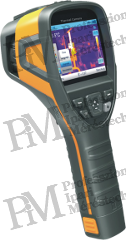
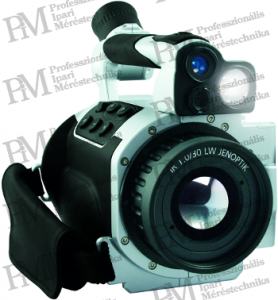
Az érintésmentes hőmérsékletméréshez alkalmas termográfiai eszközök (hőkamerák) ez elmúlt években rohamos fejlődésen mentek keresztül. Ha figyelembe veszünk, hogy ezek az eszközök éppen 50 éve jelentek meg, mára viszont ez egyik legismertebb és leguniverzálisabb (legsokoldalúbb) vizsgálati eszközzé nőtték ki magukat, akkor ne lepődjünk meg a piaci kínálat sokféleségén sem.
Egy hőkamera-beszerzést tervező ügyfélnek ebből kifolyólag ma már nem az igényeinek megfelelő típus hiánya, hanem az óriási választék áttekinthetetlensége okoz gondot. Tehát eljött az ideje, hogy e műszerek fejlődését és típusait szakmai szemmel áttekintsük, valamint a jelenlegi kínálatát rendezzük néhány fontos műszaki paraméter alapján. A kamerákban megvalósított mérési technológia és a hozzá kapható tartozékok meghatározzák a készülék alkalmazási területét, valamint a várható mérési pontosságot ill. az elérhető hőkép-minőséget.
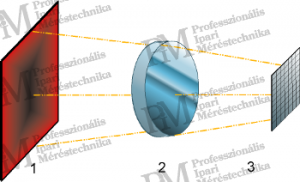
A mátrixdetektoros hőkamerák esetén több ezer egyedi érzékelő mátrixszerűen elhelyezve "egyszerre" érzékeli a mérendő hősugárzást, tehát nincs szükség mechanikai kitérítő egységre. Ezáltal a kamera mechanikailag egyszerű, kis méretű és könnyű. Bár meglepően egyszerű az optikai sugármenet, azonban az ördög a részletekben bújik meg: egyik fő probléma az, hogy a hőkép minden egyes képpontját egy-egy egyedi érzékelő alakítja át, melynek karakterisztikája nagyon hasonlíthat a szomszédjához, de mégis mérhetően különbözik attól. Az egyezőség hiányának kompenzálása komoly mennyiségű valós idejű képfeldolgozást, valamint az automatikus NUC (detektormező-kiegyenlítést) igényel. A korszerű mátrix-detektoros hőkamerák - az alkalmazott érzékelő-technológiától függően - fentieknek köszönhetően ma már 30mK (vagy akár 20mK) termikus felbontására is képesek, ami a legtöbb alkalmazáshoz elegendő.
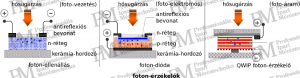
Alapvetően kétféle alaptípust különböztetőnk meg: a termikus érzékelőket és a foton detektorokat. A termikus típusok azon alapulnak, hogy az infrasugárzás (elektromágneses hullám energiájának) hatására felmelegednek és ennek következtében valamelyik villamos paraméterük megváltozik, amiből pedig a szükséges villamos jel "kinyerhető". A foton-detektorok ezzel szemben a fotonok számával arányos villamos jelet adnak, de működésükhöz mély hőmérsékletre (-150°C ... - 200°C) való lehűtés szükséges. (Hűtés nélkül a rendezetlen elektronmozgás gátolna a kihasználandó fizikai effektus létrejöttét.)
Termikus detektorok

Foton-detektorok (kvantumdetektorok)
Mindegyik érzékelőtechnológiából különféle hullámhossz-tartományhoz használható érzékelők léteznek, az alkalmazott anyagtól függően. A bolométerek viszont a gyenge termikus érzékenységük miatt csak a hosszúhullámú hullámhossz-tartományra készíthetők.
Fontos tudni viszont, hogy az érzékelő hullámhossz-tartománya (spektrális érzékenysége) döntő mértékben befolyásolja a hőkamera alkalmazási területeit. (Emlékeztetőül: a hőkamerák különböző - korlátozott - hullámhossz-tartományok az atmoszféra átviteli tulajdonsága miatt szükségesek. Az ún. atmoszferikus ablakok végett rövid-, közép- és hosszú-hullámú hőkamerák készülnek.) Amíg a középhullámú 3 ... 5 µm-es hőkamerákkal nem lehet alacsony hőmérsékletű (pl. -80°C-os) tárgyak hőmérsékletét mérni, addig a hosszúhullámú 7,5 ...14 µm-es hőkamerákkal lehetetlen pl. üveg mögött lévő tárgyakat érzékelni.
További alkalmazás-szempontú korlátok lépnek fel a nagy (több száz méteres) mérési távolságokkal kapcsolatosan is: ezek csak hosszúhullámú hőkamerákkal valósíthatók meg. Ezzel szemben viszont égési folyamatok lánghőmérsékletének érzékelése a legtöbb esetben csak középhullámú hőkamerával oldható meg, de a fordított feladat - a lángon keresztül történő tárgyhőmérsékletek érzékelése a lánghőmérséklet érzékelése nélkül - akár hosszúhullámú hőkamerával megvalósítható.
Sok alkalmazáshoz - pl. vékony fóliák hőmérsékletének érzékelése, gázszivárgások érzékelése, speciális mérőablakokon (pl. vákuumkamra ablakán, kemence mérőablakán) keresztül történő mérésekhez - pedig azok anyagának függvényében is megfelelő hullámhossz-tartományú hőkamera és ezen túl megfelelő infravörös szűrők is kiválasztandók. Az ilyen feladatok speciális tudást és tapasztalatot igényel, melyet drága tévedések elkerülése véget célszerű szakemberre bízni.
Bolométeren alapuló mátrixos érzékelővel rendelkező hőkamerák léteznek például 9, 15, 30, 50, 60, 120 Hz-es vagy akár 240 Hz képfrissítéssel - független attól, hogy telepített vagy hordozható hőkamerákról van szó. Lényegesen magasabb - akár 9000 Hz-es - képfrissítési (pontosabban hőkép-mérési) frekvenciák érhetők el a fotondetektoros hőkamerákkal. A szükséges képfrissítési gyakoriság a mérendő tárgy hőmérséklet-változásának időállandójától ill. mozgássebességétől vagy éppen a hőkameránk mozgási sebességétől függ.
Alapvetően minden olyan feladat esetében kritikus a hőkamera képfrissítési frekvencia, ha termikus változás „frekvenciája” kétszer gyorsabb a képfrekvenciánál (Shannon). Ha például a rögzítendő változás 1/10 másodperces periódusidejű, akkor min. 20 Hz (inkább 25 Hz) képfrissítés kell. Például teljesítmény-elektronikák esetén akár 300 Hz-es melegedések is felléphetnek, mely már csak 600 Hz fölötti képfrissítéssel rögzíthetők. Ez már csak fotondetektorral oldható meg, ahogy a forgácsolás közbeni hőhatások érzékelése, a gépkocsi-légzsák hőmérséklet-megfigyelése, a pirotechnikai folyamatok kutatása vagy az ütésszerű mechanikai behatások vizsgálata is.
A felsorolás ne vezessen ahhoz a téves következtetéshez, hogy lassú (vagy akár állandósult) termikus folyamatok esetén nem fordulhatna elő, hogy a hőkamera képfrissítési frekvencia a mérés szempontjából kritikus lehet. Bolométeres hőkamerák esetén azok képfrissítési gyakoriságát meghatározó integrálási idő korlátozza, hogy legfeljebb milyen gyorsan mozgó tárgyakat lehet még korrekt módon érzékelni. A maximális mozgássebesség az, amikor az integrálási idő alatt az egy egyedi detektor által érzékelt tárgyfelület legfeljebb annyira elnyúlik a mozgás irányába, hogy ez a „vetített” érzékelési felület az integrálási idő alatt még nem "fut le" a tárgyfelületről.

kinagyítva a futó lábai (a lassan mozgó test és a bal láb a földön éles, a kezek és a jobb láb gyors mozgásban - elmosódva)
Számpélda:
Ha egy 15 mm széles tárgyat szeretnénk érzékelni egy 30 Hz-es képfrissítésű (tehát tipikusan kb. 25 ms integrálási idejű), 2 mrad geometriai felbontású hőkamerával 1 m távolságból, akkor a maximális sebesség a hőkamera és a tárgy között (a tárgyfelülettel párhuzamosan) a következőképpen számolható ki:
2 mm + 25 ms * x m/s < 15 mm, ahol x a maximális mozgássebesség
A maximális mozgássebesség tehát a fenti egyenlet alapján 0,52 m/s, vagyis csupán 1,87 km/h.
További problémaforrás, ha kézben tartott hőkamerával kívánunk kellőképpen részletes hőképeket vagy akár nagyobb távolságú méréseket készíteni. A fényképezéssel kapcsolatosan ismert tény, hogy egy gyakorolt - nyugodt kezű - fényképész még 1/60-as zársebesség mellett is bemozdulás nélküli fényképek készítésére képes (állvány nélkül), egy "amatőr" pedig 1/125-ös zársebesség mellett is időnként bemozdult képeket „gyárt”. Ezek a zársebességek 17 ms illetve 8 ms érzékelési időt jelentenek. Mennyi ügyesség kell akkor ahhoz, hogy egy 15 vagy akár csak 9 Hz-es hőkamerával bemozdulatlan méréseket rögzítsünk, amihez 30 ... 40 ms mozdulatlanul kellene tartani a kamerát!
Más szóval: bemozdulás-nélküli hőképek készítéséhez 15 ms-nál rövidebb integrálási hőkamerák kellenek, amelyek általában legalább 50 Hz képfrissítésűek. Ennél lassabb hőkamerák állvány nélküli felvételekre alkalmatlanok.

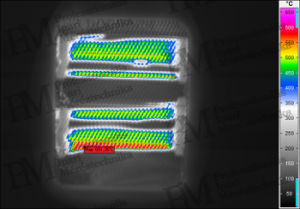
A geometriai felbontáson túl a hőkamerával elérhető „részletességet” a hőkamera képpontjainak száma határozza meg. Ennek oka, hogy a grafikai felismerhetőség érdekében egy bizonyos minimális képpontszámnak kell a mérendő tárgy egyes részeire esnie - ugyanúgy, ahogyan ezt a digitális fényképezés esetén megszoktuk. Így érthető, hogy több képpont esetén a tárgyfelületet nagyobb részletességgel illetve nagyobb tárgyfelületet ugyanolyan részletességgel jeleníthetünk meg egyetlenegy hőképen. Ha kevés a képpontok száma, sok felvételt kell készíteni és összefüggő tárgyak kiértékeléséhez illetve beszámolók készítéséhez gyakran szükségessé válik a képek montírozása (ami egy időigényes munka).
Hőkamerák esetén ez a kérdés nem is jelentéktelen. Míg a digitális fényképezőgépeknél 10, 12 vagy akár 20 Mpixelnél is több (20 millió képpontos) felbontásról beszélünk, mátrixos hőkamerák esetén a képpontok száma tipikusan 320x240 (tehát 76 800) illetve 384x288, a legprofibb hőkamerák esetén pedig 640x480 (tehát 307 200) vagy akár 1024x768 (tehát 786 432) képpont. Vannak kisebb képességű kamerák is (gyakori típus 160x120 - tehát csupán 19 200 képponttal), melyek ennél fogva csak kisebb felületek elfogadható részletességű megjelenítésére képesek, ami a felhasználási területüket természetesen erősen korlátozza. Érdekes még, hogy a legprofibb - 640x480 ill. 1024x768 képpontos érzékelőmátrixszal rendelkező - hőkamerák képpontra vetített ára sokkal kedvezőbb, mint a kis pixelszámú - ún. Low-Cost - hőkameráké.
A következő ábra a képpontok számának kihatását a munkafolyamat hatékonyságára bemutatja: a jobb oldali hőkép (640x480 pixel) egy gombnyomással készült és - mivel a bevizsgált épületoldalt teljes egészében tartalmazza - szintén csak egy mozdulattal behelyezhető a jegyzőkönyvbe. Ezzel szemben a bal oldali hőkép (160x120 pixel) az épületoldal csak kisebb részét képes befogni, részletessége is kivetnivalókat hagy maga után. A jobb oldali hőkép minőségének elérésére 16-szor annyi felvétel kellene, de a hőképek montírozásához még átfedésre is van szükségünk. Ezért jóval több - akár 20-25 hőkép - felvételre kényszerülünk, természetesen a 640x480 pixeles hőképhez képest jóval több idő alatt.
Az igazi kellemetlenség viszont a jegyzőkönyvkészítés során vár ránk, mert itt szembesülünk a 20-25 hőkép montírozási időigényével, mely ügyességünktől függően 30 perc, de akár több óra is lehet. Meggondolandó tehát, hogy kisebb beruházás mellett kisebb pixelszámú hőkamerát válasszuk (és majd megfizetjük a spórolásunkat többszörös többletmunkával), vagy nagyobb pixelszámú hőkamera révén szert teszünk a hatékony munkavégzéshez szükséges eszközre.

Szoftveres felbontás-növelése interpolációval
Mivel a hőkamerák viszonylag kis képpontszáma végett látványos hőképek (és ezáltal jegyzőkönyvek) készítése (főleg a kisebb pixelszámú érzékelőmátrixszal rendelkező hőkamerák esetén) nagy nehézségekbe ütközik, eme probléma enyhítésére a grafikai programoknál megszokott interpolációt alkalmaz néhány hőkameragyártó. Ez az eljárás a felvett hőkép egy-egy pixelpár közé még egy újabb - matematikailag generált - képpontot illeszt, így megnövelve a hőkép pixelszámát az eredeti érték négyszeresére (a vízszintes és függőleges megduplázás révén). Azonban, ez az eljárás olyan hőképet eredményezi, mely 75% számított - tehát nem valós - képpontot tartalmaz. A hőkép vizuális látványának javítása tehát a hőkép adattartalmának meghamisítása árán történik. Ezért az az eljárás alkalmazása nem javasolt.
Szoftveres felbontás-növelése kézremegés kihasználásával
Abból kiindulva, hogy egy érzékelőmátrix valójában nem hézagmentesen egymás mellett elhelyezett egyedi érzékelőkből áll, hanem minden érzékelő körül még egy (majdnem félpixeles) - mérést nem végző - hézag van (a termikus áthatás elkerülése végett, valamint az egyedi érzékelők villamos bekötése miatt), a mérendő tárgy érzékelése is csak ilyen "hézagosan" történik meg. Ennek kiküszöbölése érdekében az interpoláció helyett egy másik szoftveres hőkép pixelfelbontást növelő eljárás kezd elterjedni az elmúlt években (pl. Super Resolution vagy UltraMax néven). Ezek az eljárások a hőkamerát tartó ember kezének remegése ill. bemozdulása során bekövetkező kis mértékű vízszintes és függőleges látómező-eltolódásból indulnak ki.
A módszer nagyon egyszerű: egy hőkép helyett (tipikusan) 16 hőkép adatait tároljuk el, majd a szoftver segítségével azt a négy felvételt választjuk ki, amelyek a kézremegés hatására pont egy-egy félpixeles vízszintes és függőleges eltolással "passzolnak" egymáshoz, majd pixelenként egymás mellé ill. alá helyezve összeillesztjük a hőképeket. Ezzel a módszerrel az eredetileg két-két elemi érzékelő (képpont) közötti üres helyről is készül adat, maga a képpontok száma vízszintesen és függőlegesen is megduplázódik - a hőképünk az eredeti detektormátrix pixelszámához képest négyszeres felbontású lesz. Sőt, mivel a látómező érzékelése most már hézagmentes, a hőkamera geometriai felbontása is javul (pontosan 34%-kal).
Amennyire egyszerű (és olcsó) ez a módszer, annyi buktatóval is jár. Állványra szerelt hőkamera esetén egyáltalán nem használható, de az ember kezének remegése is csak nagyon ritkán kellőképpen "szabályos" ahhoz, hogy a szoftver megtaláljon az eltárolt 16 hőkép között 4 olyat, amely az előbb leírt módon egymásra illeszthető. (Gondoljunk csak arra, hogy az egész eljárás időigénye közel egy másodperc: ha ez idő alatt szögben elbillen vagy folyamatosan süllyed a kezünk, sehogyan nem lesz meg a 4 összeilleszthető hőkép.) A szoftveres algoritmus ezen túlmenően akkor is képtelen a hőképek kiválasztására, ha a hőkép nem tartalmazza kellőképpen nagy és éles kontrasztokat (megfelelően meredek hőmérséklet-gradienseket) vagy a látómezőn belül valamelyik részén van elmozdulás.
A fenti esetekben a szoftver - sajnos minden figyelmeztetés nélkül - a kívánt pixelszám elérése végett a hőképek összeillesztése helyett az interpoláció alatt leírt felbontás-növelést alkalmazza. Ezzel pedig nem létező képpont-adatok keletkeznek és a módszer által "beígért" geometriai felbontás-javítás sem valósul meg! Méréstechnikailag tehát soha nem tudjuk, melyik így készült hőképünk tartalmaz ténylegesen csak valós pixeleket és ezáltal mikor számíthatunk ténylegesen a jobb geometriai felbontásra. Az eljárás alkalmazása ezért nem javasolt.
Hardveres felbontás-növelés micro-scan eljárással
A mátrixos hőkamerákba beépített érzékelőmátrix felbontásának négyszeres pixelszámát fentiek alapján megbízhatóan (és garantáltan) csak hardveresen érhetjük el. Ehhez az érzékelő mikrómozgatásával vagy a beérkező sugárzás optikai eltérítésével megváltoztatjuk (a hőkamerán belül!) az érzékelőmátrixra vetített sugárnyaláb pozícióját egymás után vízszintesen és függőlegesen is. Így az eredetileg két-két elemi érzékelő (képpont) közötti üres helyre vetített sugárzás is érzékelésre kerül és ezáltal a képalkotáshoz felhasználható, miközben a hőkamera geometriai felbontása minden esetben (kivétel nélkül) 34%-kal nő. Ez a módszer nem a kezünk remegéséből indul ki, így természetesen állványra szerelt hőkameráknál is alkalmazható.

Bár a micro-scan eljárás sem éppen gyorsnak nevezhető (0,5 ... 1 mp időigénye van egy-egy nagy felbontású hőkép készítésének), egyelőre az egyetlen módszer létezik, hogy valós pixelű extra nagy hőképeket készítsünk maximális geometriai felbontás mellett. Példák ilyen képességű hőkamerákra a Jenoptik VarioCAM készülékcsaládok tajgai, melyek Resolution Enhancement elnevezéssel ilyen opcionális funkcióval rendelkeznek. A VarioCAM hr 640x480 képpontos detektorral rendelkező hőkamerákkal micro-scan üzemmódban 1,23 millió képpontos, a VarioCAM HD 1024x768 képpontos detektorral rendelkező hőkamerákkal pedig 3,15 millió képpontos - kizárólagosan valós mérési adatokat tartalmazó - hőképek készíthetők. Ez pedig lehetővé teszi, hogy igen nagy tárgyfelületekről is a legrészletesebb méréseket készítsünk mindenféle utólagos montírozás nélkül.
Folytatjuk!
Rahne Eric
okl. villamosmérnök (BME)
rezgésdiagnosztikai szakértő
termográfiai szakértő
(Thermograph Level3)
pim-kft.hu
termokamera.hu
A publikáció tartalmát szerzői jogok védik, ennek (akár csak részben történő) felhasználása, elektronikus vagy nyomtatott tovább-publikálása csak a forrás és a szerző nevének feltüntetése mellett, valamint a szerző előzetes írásos engedélyének megléte esetén megengedett. A szerzői jogok (Copyright) megsértése jogi következményekkel jár.
Copyright © PIM Professzionális Ipari Méréstechnika Kft.
2026 | Minden jog fenntartva
Impresszum | Adatkezelés