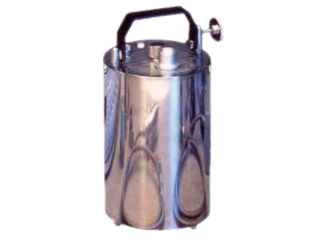
Sensonics Willmore MkIIIA/S geofizikai érzékelő
Sensonics Willmore MkIIIA/S geofizikai érzékelő - Robusztus, ipari kivitelű, elektrodinamikus geofizikai érzékelő (pl. geológiai struktúrák szeizmológiai megfigyeléséhez) 400 V//ms-1, max. 0,02 mm/s, 0,1 Hz ... 150 Hz, nem igényel táplálást, beépített csatlakozókábellel (oldalt)
Tulajdonságai
- elektrodinamikus, közvetlen jelkimenettel vagy beépített erősítővel
- akármilyen mérési irányban alkalmazható
- strapabíró, könnyen szállítható kivitel
- hermetikus időjárásálló nemesacél tokozás
- szűrt frekvenciatartomány 0,1 Hz ... 150 Hz
- rezgéssebesség-jelkimenet
- állítható periódusidő 1 ... 3 másodperc
- állítható csillapítás (8 x kritikusra is)
- érzékenység 400 V/m*s-1 ... 1500 V/m*s-1
- kétféle villamos bekötés: beépített kábel vagy Fischer csatlakozó (felül)
- üzemi hőmérséklet-tartomány -40°C ... 50°C, beépített erősítővel 0°C ... 50°C
Leírása
Sensonics Willmore MkIIIA/S geofizikai érzékelő - A Sensonics gyártmányú Willmore MkIIIA elektrodinamikus szeizmológiai rezgésérzékelő akármilyen helyen, magasságban és mérési irányban is alkalmazható. A nemesacél tokozása megvédi a jeladót a mechanikai és a mágneses tér hatásaitól. A robusztus, időálló, hermetikus konstrukció lehetővé teszi az alkalmazását akár zord körülmények között is.
Az MKIIIA/S típus egy elektrodinamikus rezgéssebesség-érzékelő szabadterű és laboratóriumi használathoz egyaránt. A szeizmikus tömeg maga a permanens mágnes, mely szalagos rugókkal rögzítve axiális mozgást szabadon végezhet, de más irányú mozgásokban gátolva van. Az érzékelő függőleges irányú alkalmazása esetén a mágnes tömege rugókkal van ellensúlyozva, melyek egy olyan ügyes megoldással vannak a kerethez rögzítve, ami révén az axiális mozgást csupán minimális merevséggel befolyásolják. Az érzékelő vízszintes alkalmazása során pedig a rugók nem is érintkeznek a tömeggel. A kimeneti jel a keretben lévő - a tömeg mindkét végénél elhelyezkedő - tekercsekben generálódik. A segédtekercsek visszajelzéshez és kalibráláshoz használatosak. A tömeg önfrekvenciája állítható, így az érzékelő optimalizálható az éppen szükséges üzemeltetési feltételekhez. Opcionálisan az MKIIIA háromféle beépített - alacsony fogyasztású - erősítővel is szállítható, melynek előnye, hogy az érzékelő tokozásába elhelyezett erősítő a lehető legkevésbé érzékeny a külső zavarokra. A beállítható elektronikus jelcsillapítás a technológia által biztosított zajcsökkentésen túl pedig lehetővé teszi a felhasználó részére, hogy az érzékelőt mikro-szeizmikus jelenségektől az erős mozgásokig terjedő mérésekhez is alkalmazza. A DC-ofszet ingadozása gyakorlatilag kizárható a visszacsatolt szabályozás révén, mely egyben alsó frekvenciás szűrőként is működik. A visszacsatolás ezen túl kiemelhető a frekvenciaválaszban egy hosszú-periodikus érzékelő karakterisztikájának elérése érdekében.Mindegyik beépített erősítő más-más karakterisztikát ad az érzékelőnek, mely révén eltérő feladatokhoz alkalmazhatóvá válik. Az E2 standard erősítőhöz képest az E1 opció kifejezetten a minimális energiafogyasztásra van optimalizálva, az E3-as opció pedig a legalacsonyabb zajszintre (némileg magasabb energiafogyasztás mellett). Az összes érzékelő túlcsillapított kivitelű, és könnyedén beállítható a csillapítási tényező az éppen szükséges értékre. Mivel a csillapítás elektronikusan szabályozott, a csillapító erősítő vágásával akár hosszú és rövid periódusú szeizmikus érzékelőkarakterisztikák is beállíthatók. Sőt: ügyfélspecifikus válaszfüggvények is legyárthatók.